How to Be a Better Friend to Yourself: 4 Practical Tools
May 17, 2023
At times, I can become extremely negative. My mind starts focusing on everything that could go wrong, the opportunities I have missed, the mistakes I have made, and the fear that my life could fall apart.
When I get into that mindset, my perspective is not accurate. I lose sight of what is going well, what I can control, and the people and resources available to help me.
Difficult seasons are part of every life. It does not matter whether you are rich or poor, young or old, healthy or struggling. Some challenges can be anticipated, but many catch us completely by surprise.
That is why learning to care for yourself matters. When you are proactive about your emotional health, you are better prepared to challenge negative thinking, regain perspective, and respond in a healthier way. No one can take responsibility for your well-being better than you.
Becoming a better friend to yourself also requires taking actions that strengthen your confidence and remind you of your value. In this episode of the Decide Your Legacy podcast, I share 18 practical ways to build self-confidence, care for yourself more intentionally, and begin treating yourself with greater respect.
4 Ways to Be Your Own Best Friend
Tool #1: Be Kind to Yourself
Loving yourself is a struggle for many people. From my experience, even those who appear confident on the outside often struggle internally.
Create a list of activities you can turn to when your self-worth begins to decline. Choose six activities from the list below and add some of your own. Use your list whenever you need something healthy to lift your spirits and help you regain perspective.
- Read a favorite magazine
- List five things you are grateful for today
- Cook or bake something
- Search for a new book
- Work in the garden
- Listen to a podcast
- Write a thank-you note
- Call a friend from your past
- Listen to music
- Search for a new recipe
- Visit a friend
- Volunteer
- Play a card game
- Sing
- Call your best friend
- Play a computer or video game
- Make jewelry
- Write a letter
- Knit
- Set some goals
- Pray or meditate
- Plan your evening
- Read old letters or journals
- Plan the next day
- Organize a room or space
- Make pottery
- Work on a collection
- Memorize a poem or meaningful quote
- Explore somewhere new
- Play a board game
- Research an interesting topic online
- Rearrange your furniture
- Join a book club
- Learn a new instrument
- Spend time on a favorite hobby
- Visit garage sales or thrift shops
- Read a book
- Visit a museum
- Ride a bike
- Write down three goals for the month
- Practice photography
- Organize and edit your pictures
- Breathe deeply
- Stretch
- Take a walk
- Go fishing
- Search for new music
- Attend a group exercise class
- Go swimming
- Go hiking
- Spend time with a pet
- Write
- Watch a favorite movie
- Watch a new movie
- Make something creative
- Complete a puzzle
- Draw or paint
- Practice juggling
- Play a sport
- Play a favorite instrument
- Play a harmless practical joke
- Make a to-do list
- Practice martial arts
- Try woodworking
- Restore a piece of furniture
- Go birdwatching
- Look at old family pictures
- Take a nap
- List five things you are excited about today
- Learn an illusion or magic trick
- Work on a side business
- Research your family history
“Self-care is never a selfish act. It is simply good stewardship of the only gift I have, the gift I was put on earth to offer to others.”
— Parker Palmer
Tool #2: Practice Friendly Self Talk
Do you treat yourself like a friend or an enemy? If you treated your friends, the way you treat yourself, would you still have any friends? Your friends show care and concern for you when you're struggling. I'm sure they're patient, kind, warm, and gentle. Recognize your negative self-talk, and replace it with the words of your closest friends.
“Until you value yourself, you won’t value your time. Until you value your time, you won’t do anything with it.”
— M. Scott Peck
Build a Healthier Relationship With Yourself
Being a better friend to yourself means paying attention to what you need, challenging negative self-talk, and choosing actions that strengthen your confidence instead of tearing it down.
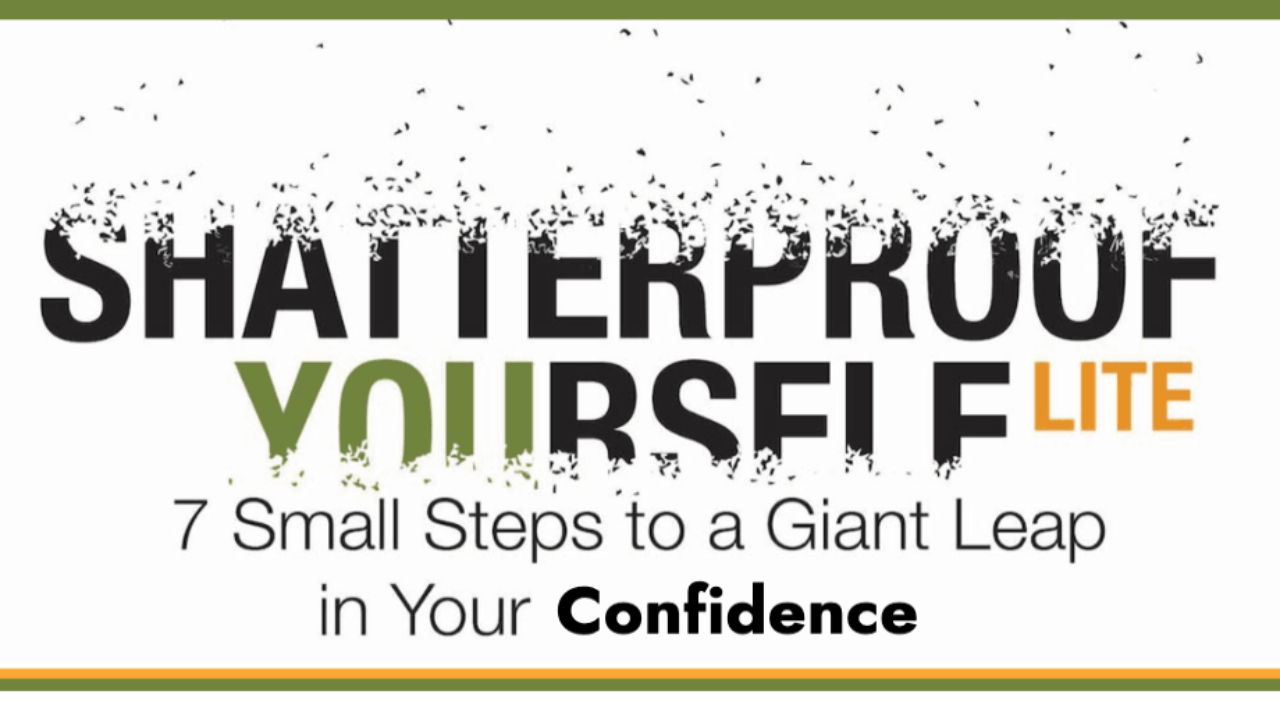
Shatterproof Yourself Lite gives you 7 practical steps to help you reduce anxiety, build confidence, and take courageous action in your life and relationships.
Tool #3: Enjoy Your Hobbies
One of the first things I try to figure out with new clients is how much fun they are having in their life. What do they engage in to unwind each day? Having activities to look forward to, outside of work, where we feel successful, improves our resiliency. These activities do much more for our mental health than most think. Here's a List of 100 Hobbies to get you thinking of ideas. Plan to engage something today!
Tool #4: Energizers & Drainers
There are activities you engage in each day that fill you with hope. There are things you engage in daily that fill you with fear. Are you engaging in self-sabotage, without even knowing it? I use a worksheet with clients to identify the people, places, and things that energize and drain them. Engage what fills you up and minimize what depletes you.
Choose today to love yourself! This may seem like a simplistic solution to a complex problem, but the simple solutions are the best. The simple solutions are the ones that stick. Being good to yourself is a choice.
From working as a counselor since 1998, I'm convinced that every person has the potential to be at a very low place. I'm no exception. I've had some very dark days. Take this activity seriously, your future depends on it.
Start Treating Yourself Like Someone Worth Fighting For
Being kind to yourself is not selfish or weak. It gives you the strength to face fear, recover from setbacks, and make healthier choices when life becomes difficult.
Shatterproof Yourself Lite will guide you through 7 practical steps to help you reduce anxiety, strengthen your confidence, and take courageous action toward a healthier and more fulfilling life.
Related Content
How to Like Yourself and Build Confidence by Adam Gragg
18 Ways to Build Self-Confidence by Adam Gragg
12 Life Balance Tips by Adam Gragg
Your Change Toolkit: 3 Keys to Life’s Biggest Transitions by Adam Gragg