7 Keys to Building Trust That Actually Lasts
Jun 10, 2026
If trust is low in a relationship, everything gets harder. Communication, decision-making, and even just being around each other become more tense and more complicated.
And here is what most people miss. Trust is not something you either have or do not have. It is something you build, maintain, or slowly lose over time in small moments.
Whether it is at work, in leadership, in marriage, in friendship, or with family, trust determines the quality of every interaction.
So let’s break down seven keys that actually build trust that lasts.
1. Say What You Mean and Follow Through
Trust starts with consistency. If you say you are going to do something, do it. If you are not going to do it, do not say it.
Every time you follow through, you build trust. Every time you do not, you lose it. Most trust issues are not about big betrayals. They are about small broken commitments that stack up over time.
You already know where this shows up in your own life. The promises you meant, but did not fully keep. The follow-through that slipped quietly. Trust erodes in those places long before anyone names it out loud.
2. Be Honest Even When It Is Uncomfortable
A lot of people avoid honesty because they do not want conflict. But avoidance does not preserve trust. It erodes it.
People can feel when something is off, even if nothing is being said directly. Trust grows when others can rely on you to be real, even when your perspective creates tension. For example, let’s say someone was considering a purchase that was marked as expiring soon. And when they came back later and saw it was still available, it actually reduced trust in the offer. Not because of the product itself, but because honesty had been questioned in a small way. That is how subtle trust really is. It is not always broken in big moments. It shifts in small ones like that.
3. Address Issues Early
Avoiding issues does not keep the peace. It delays the conflict and usually makes it worse.
When something is off and you do not address it, it does not disappear. It builds pressure in the relationship. And over time, you stop trusting your own voice because you know you are not saying what needs to be said.
Early honesty protects relationships. Delayed honesty creates distance that feels harder to repair later.
Build the Confidence to Speak Up
Trust grows when you address issues early, communicate honestly, and say what needs to be said instead of allowing fear to keep you silent.
Shatterproof Yourself Lite gives you 7 practical steps to help you reduce anxiety, build confidence, and take courageous action in your life and relationships.
4. Listen to Understand, Not to Win
Most people listen while thinking about what they are going to say next. The other person can feel that immediately.
Listening to understand changes the entire dynamic of a conversation. It slows the interaction down just enough that something real can actually be said. Most people are not looking for perfect answers. They are looking for presence. For someone who is actually tracking what they are saying instead of preparing their rebuttal. That is where trust starts to shift in a relationship.
5. Take Responsibility
When something goes wrong, most people explain, justify, or defend. Trust is built when you simply say, “That is on me.” No spin. No buffering. Just ownership.
There is also another layer here that is harder. Sometimes trust is built by not stepping in to fix everything for someone else. Even when it would be easier. Even when it would feel better in the moment. Letting people own their decisions builds trust in a different way. It signals, I trust you enough to carry this yourself.
6. Be Consistent Over Time
Trust is not built in moments of intensity. It is built in patterns over time. People are watching what you do repeatedly, not what you say once. Consistency builds safety. Inconsistency creates doubt.
This is where relationships quietly separate. Not in big speeches or big moments, but in whether your behavior is predictable enough that people can relax around you.
7. Be Willing to Have Hard Conversations
Most people say they want trust, but avoid the conversations that would actually build it. Hard conversations are not a threat to trust. Avoiding them is.
There was a moment I shared recently about a relationship conversation that became uncomfortable. It was not planned that way. It started as something light and turned into real feedback about parenting and behavior. The natural reaction was defensiveness, internally at least. But instead of shutting it down, the conversation continued. And something interesting happened after. Even though it did not feel good in the moment, it actually strengthened trust. Because honesty stayed in the room instead of being avoided.
That is what most people miss. Trust is often built in the moments that do not feel smooth.
Take the next step.
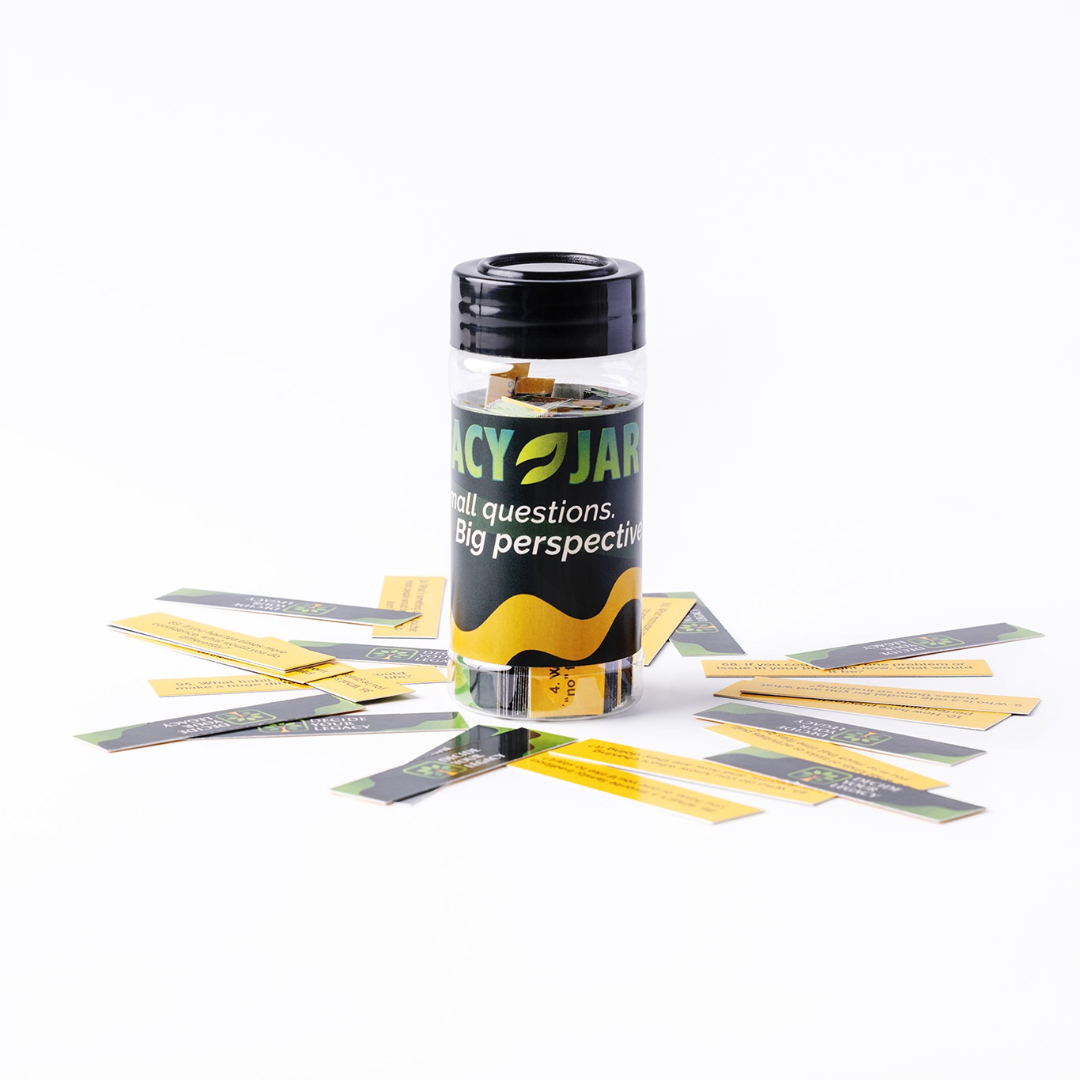
If you want a simple way to strengthen your relationships, build emotional health, and create more meaningful conversations, The Legacy Jar + Shatterproof Yourself Lite gives you a practical next step.
Get The Legacy Jar plus Shatterproof Yourself Lite for $57.
Final Thought
Trust is not built through one breakthrough moment. It is built through consistency, honesty, ownership, and courage repeated over time.
Pick one area. Not all seven.
Where are you avoiding something? Where are you not following through? Where are you staying silent?
Start there. Because trust does not grow in comfort. It grows in action.
Related Content
17 Fun Ice Breakers for Work Meetings and Social Events (post) by Adam Gragg
My 20 Favorite Questions to Ask Clients (post) by Adam Gragg
50 Excellent & Fun Relationship-Building Questions (post) by Adam Gragg
How to Be Less Critical & More Encouraging (post) by Adam Gragg
25 Gratitude Building Questions (post) by Adam Gragg
12 Dating & Marriage Building Activities (post) by Adam Gragg