How to Change Negative Thought Patterns and Build a Healthier Mindset
Dec 27, 2025
In fifth grade, I had a painful experience that stayed with me. In front of a crowded lunchroom, my school principal, Sister Katherine, scolded and humiliated me. She accused me of creating chaos and even dancing on a table. None of it was true.
She then took me into her office, where she and the vice principal continued criticizing me. I cried uncontrollably. I was ten years old, confused, and completely innocent. I was a sensitive child who was quiet, compliant, and rarely in trouble, so the experience affected me deeply.
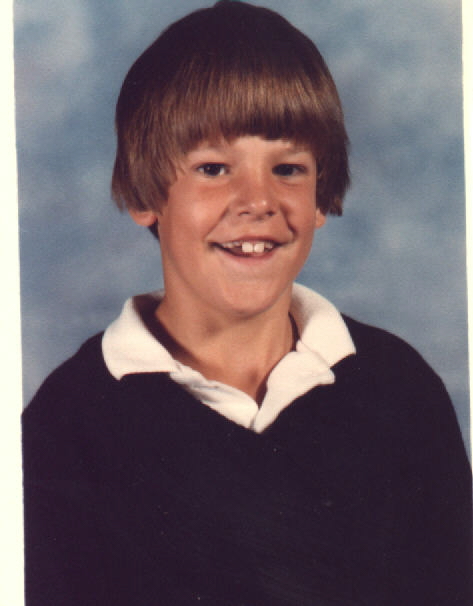
Adam in fifth grade at St. Mel’s Catholic School in 1984.
I rarely thought about this incident until a friend asked me about traumatic memories, and this one surfaced immediately. It was an experience I wanted to forget, so I tucked away, unconsciously believing that burying it would protect me from ever being hurt like that again. Instead, it quietly impacted my ability to trust authority.
Negative beliefs often begin with painful experiences we never fully process. Over time, those beliefs can shape how we see ourselves, other people, and the future. In this episode of the Decide Your Legacy podcast, I share practical ways to recognize damaging thought patterns, replace them with truth, and move forward with greater confidence and freedom.
Experiences like these can shape how you see yourself, other people, and the world around you. My hope is that this article helps you recognize some of the unhealthy beliefs you may have carried for years and gives you practical ways to challenge and change them.
Below are 30 common negative perspectives. As you read each one, ask yourself two questions: Is this how I see myself? Is this how I see the world?
30 Common Damaging Mindsets
1. "Things will never get better."
2. "I'm a victim of my circumstances."
3. "I must be almost perfect in whatever I do."
4. "I need people's approval to be OK with myself."
5. "I am worthless/broken because of my past mistakes/failures/trauma."
6. "My value comes from my performance plus the opinions of others."
7. "It is better to avoid life's difficulties than to face them."
8. "Conflict leads to damage & erosion of my relationships."
9. "I should have achieved much more by now."
10. "I'm a failure."
11. "If I try new things and don't succeed, people will view me negatively."
12. "I'm awkward."
13. "I'm not smart enough."
14. "I'm too young and inexperienced to succeed."
15. "I'm unattractive. People are not drawn to me."
Stop Letting Fearful Thoughts Define You
Damaging mindsets can make you question your value, expect the worst, and avoid the actions that could help you grow. You may not control every thought that enters your mind, but you can learn to question it and choose a healthier response.
Shatterproof Yourself Lite gives you 7 practical steps to help you reduce anxiety, build confidence, and take courageous action instead of allowing fear to make your decisions.
16. "The worst results usually occur for me now or in the long run."
17. "It's usually my fault, especially when others are upset with me."
18. "People are not trustworthy."
19. "I don't deserve good things in life."
20. "I have nothing to offer."
21. "I'm not good enough (i.e., education, appearance, achievement, etc.)."
22. "I'm not safe. Something bad is going to happen."
23. "I'm all alone/I don't belong."
24. "I am responsible for the happiness of those closest to me."
“Nothing can bring you peace but yourself.”
— Ralph Waldo Emerson
25. "People will judge/reject me if I relax and they see the real me."
26. "If I relax and enjoy life, I will become lazy & unmotivated."
27. "I will never have close, loyal friends."
28. "I will never have a long-term romantic connection."
29. "Having fun and enjoying hobbies is unproductive and leads to failure."
30. "I cannot change (i.e., too old, hurt too many people, etc.)."
6 Questions to Challenge Negative Thought Patterns
These questions are adapted from Byron Katie’s self-inquiry process, known as The Work.
1. Is it true?
2. Can I absolutely 100% know this fear & worry is true?
3. How do I react? What do I do when I believe this is true?
4. Who would I be, and how would I react without this thought?
5. What's a new, accurate, and hopeful perspective?
6. What action can I take to apply this new healthy perspective?
Understanding why this perspective formed, whether from childhood experiences, trauma, or past failures, is also helpful, but it can be challenging.
“I’ve lived through some terrible things in my life, some of which actually happened.”
— Mark Twain
A client once told me that he regularly thought, “I’m a failure.” Because of mistakes he had made, he assumed his future would be defined by them. That belief fueled years of anxiety and quietly kept him from moving forward.
With time, intention, and consistent effort, he learned to replace “I’m a failure” with “I’ve grown through my mistakes.” As he returned to that more truthful perspective, his confidence grew and he eventually changed the direction of his career.
Changing negative thought patterns takes work, but it is possible. What you repeatedly focus on shapes how you see yourself, the decisions you make, and the direction of your life. When you commit to replacing lies with truth and acting on that truth, real change can happen.
Replace Fear With Truth and Courageous Action
Changing your mindset involves more than repeating positive statements. You have to recognize the lies fear is telling you, replace them with a more truthful perspective, and take action that supports what you now believe.
Shatterproof Yourself Lite will guide you through 7 practical steps to help you reduce anxiety, strengthen your confidence, and move forward with greater courage in your life and relationships.
Related Content
3 Ways to Reduce Anxiety I’ve Taught Clients for 25+ Years by Adam Gragg
Feeling Overwhelmed? Try These 15 Simple Calming Techniques by Adam Gragg
How to Be Grateful When Life Is Hard by Adam Gragg